
with Large Trunk Space
If you need generous cargo room without moving up to an SUV, this guide to the best used cars with large trunk space will help you compare smart choices across sedans, hatchbacks, and wagons. We cover how cargo volume is measured, which models deliver the biggest trunks, and what features make loading easier, like low liftover heights and 60-40 split folding seats. You will also find practical shopping tips to help you confirm real world space for strollers, golf bags, luggage, and weekly grocery runs. Browse our current options anytime on used-inventory and research related picks such as best-used-sedans and best-used-family-cars. When you are ready to learn more about a specific model, you can review owner oriented insights on research-page-template and check recent arrivals on sold-inventory to see what moves quickly. This page is designed to save you time and help you choose the right car the first time.
Cargo numbers tell part of the story. Details like trunk opening width, hinge design, spare tire storage, and seat pass throughs can make the same cubic feet feel very different. Use our tips below to compare models and trims, then explore value-my-trade, payment-options, and applications to plan your purchase. If you want to see how items fit, schedule-a-test-drive at one of our locations and bring the gear you use most.
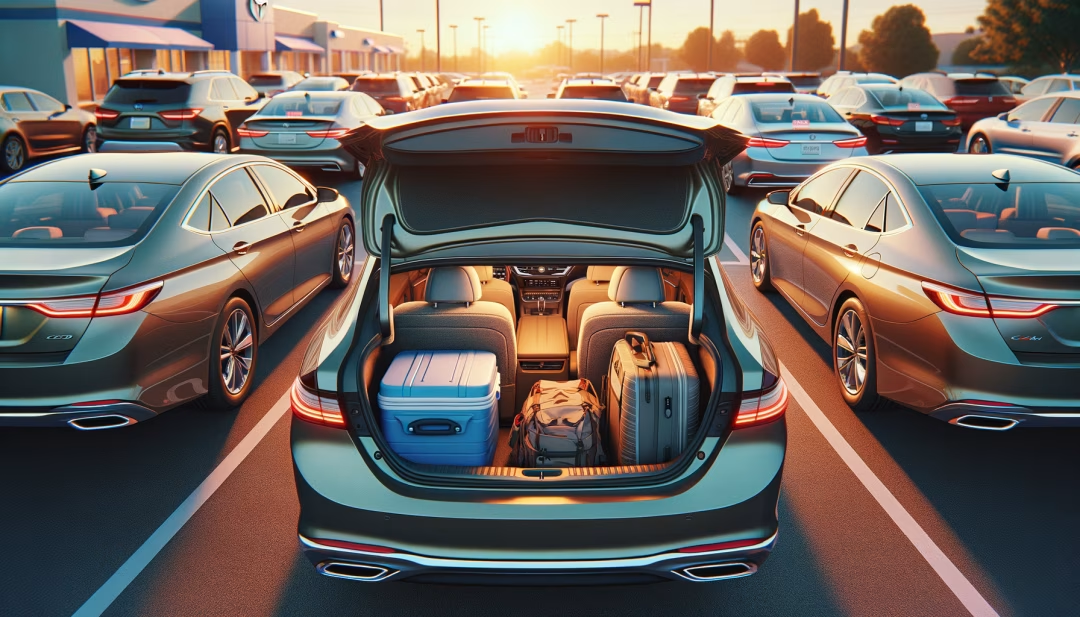
What makes a used car great for trunk space
A trunk that works well in daily life is more than a big number on a spec sheet. The best used cars with large trunk space combine generous volume with a wide, low opening that makes it easy to load bulky items. Look for models with split folding rear seats and a usable pass through for long cargo like skis. Smart trunk hinges, such as strut style units that do not intrude into the cargo area, protect your bags from being pinched. Also check the liftover height and the presence of a spare tire well, which can add hidden storage for tools or emergency kits. Below, we outline stand out models, measurements to verify, and buying tips to help you match the car to your cargo.
Top used sedans with big trunks
Full size and many midsize sedans deliver the biggest enclosed trunks. Depending on year and trim, the following models are known for generous cargo space, often ranging from the mid teens to nearly 20 cubic feet. Exact volume varies by generation, hybrid battery placement, and spare tire configuration, so use these picks as a shortlist and confirm details on a specific vehicle page within used-inventory.
- Toyota Camry and Honda Accord - consistent midsize leaders with roomy trunks and wide openings
- Chevrolet Impala - one of the largest sedan trunks of the last decade on many trims
- Ford Taurus - often near the top for outright cubic feet in full size form
- Chrysler 300 and Dodge Charger - big trunk openings and fold down seatbacks on many models
- Hyundai Sonata and Kia Optima K5 - competitive space plus long feature lists for the money
- Volkswagen Passat - square trunk shape that packs easily
- Buick LaCrosse - comfortable ride with useful, deep trunk on many years
- Nissan Altima - competitive midsize capacity with a large pass through on most trims
- Subaru Legacy - solid trunk volume plus available all wheel drive for winter states
If you are choosing a hybrid sedan in these lines, compare how the battery affects cargo depth. Many newer hybrids integrate the battery to preserve most of the trunk, but older generations can trade a few cubic feet for efficiency. You can scan owner feedback and model year notes on research-page-template for details.
Hatchbacks and wagons that rival sedan trunks
While a hatchback or wagon does not have a separate enclosed trunk, many shoppers cross shop them because they deliver a trunk like lower cargo floor with far more vertical and flexible space when needed. If you want sedan manners with open cargo versatility, consider these used options.
- Toyota Prius - wide hatch opening and long load floor with seats folded
- Volkswagen Golf - boxy shape that makes the most of its footprint
- Kia Soul - tall hatch with surprisingly deep floor for a small footprint
- Subaru Outback and Volkswagen SportWagen - wagon practicality with car like ride
- Honda Fit - Magic Seat flexibility that swallows tall or long cargo
If you prefer the security of a fully enclosed trunk and want to keep cargo out of sight, a sedan remains the best match. Otherwise, a hatchback or wagon offers maximum space per dollar. For more space oriented picks beyond cars, see best-used-midsize-suvs and best-used-full-size-suvs.
How to read trunk measurements the right way
Trunk size is usually published in cubic feet, measured using standardized blocks. Numbers are helpful but not perfect. Two sedans with identical volume can differ in everyday usability due to wheel well intrusions, high liftover heights, or hinges that swing inward. Here is how to interpret the specs and check fit in person.
- Opening size matters - A wide, tall trunk opening lets you load large boxes without wrangling angles
- Hinge design - Gooseneck hinges can pinch bags, while strut hinges save space inside the trunk
- Floor length and width - Measure between the wheel wells and to the back of the rear seats
- Seat pass through - A 60 40 split or center pass through handles skis, boards, and long boxes
- Hidden storage - Some trunks include bins under the floor or a deep spare tire well
Bring your real cargo for a test fit. Strollers, golf bags, coolers, or musical instruments are the best guides. You can schedule a hands on visit on schedule-a-test-drive and check vehicles at locations near you.
Model year notes and trim considerations
Trunk size can change within the same nameplate over different generations. For example, a full redesign sometimes moves the rear suspension arches or repositions the hybrid battery. Some trims add a subwoofer that slightly reduces space, while others include a spare tire that occupies the underfloor area. If maximum trunk capacity is critical, focus on non hybrid trims for sedans known to lose depth in hybrid form, verify whether a spare is included, and look at photos of the trunk with the floor lifted. Our vehicle detail pages on used-inventory typically include trunk photos, seat folding shots, and measurement callouts that help you compare quickly.
Budget friendly picks with big trunks
If you are shopping with a set budget, these pages can help you narrow choices while keeping an eye on cargo space: best-used-cars-under-10000, best-used-cars-under-15000, best-used-cars-under-20000, and best-used-cars-under-25000. You can also find value by searching most-reliable-used-cars and used-cars-with-best-resale-value to identify models that retain quality and reduce ownership costs. Pairing a roomy trunk with low maintenance and strong reliability is a smart way to get long term satisfaction from your purchase.
Ownership tips to make space work harder
Even a large trunk benefits from a few affordable accessories and habits. Cargo nets or blocks keep groceries upright. A collapsible organizer holds small items so they do not slide forward out of reach. If your car includes a 60 40 split seat, learn how to release it from the trunk and the cabin for flexibility. Keep a microfiber mat in the trunk to protect the floor when carrying tools or sports gear. When you pack for trips, place heaviest items closest to the rear seatback to balance weight. These small steps reduce clutter and make the most of every cubic foot.
Compare trunk space across body styles
Sedans offer a secure, enclosed space that hides cargo from view and keeps the cabin quiet. Hatchbacks and wagons provide more vertical room and flat floors when seats are folded, often rivaling smaller SUVs while driving like a car. Crossover SUVs expand on this with higher load floors and wider openings. If your priority is the biggest enclosed trunk in a car, the shortlists above are where to start. If versatility matters more than a separate trunk lid, consider stepping into best-used-crossover-suvs or best-used-3-row-suvs for expanding families.
Shopping checklist for trunk focused buyers
- Measure your largest regular items and bring them to your appointment for a real fit test
- Open and close the trunk to check hinge intrusion and liftover height
- Test the rear seat releases and confirm a wide, usable pass through
- Inspect the underfloor area for a spare tire, inflator kit, or extra bins
- If you use car seats, confirm stroller and diaper bag fit with the seats installed
- Check the vehicle history and recall status on how-to-check-used-car-history and used-vehicles-with-lowest-recall-rates
Next steps and helpful resources
Once you identify a few models with the trunk space you need, browse live availability on used-inventory and review recent sales on sold-inventory to understand pricing and demand. If you want guidance on financing, visit how-to-finance-a-used-car, used-car-loan-interest-rates, and payment-options. Shoppers with a vehicle to trade can estimate value on value-my-trade and then explore applications to get prequalified. Questions about hours or directions are available on locations, and you can learn about our team on meet-our-staff and bios. For policies and visitor information, see privacy-policy, terms, and visitor-agreement. Our blog covers trends and tips on blog, including how-to-buy-a-used-car, used-car-buying-checklist, and used-car-inspection-checklist.
- Explore related picks: best-used-family-cars, best-used-commuter-cars, best-used-cars-for-road-trips
- Compare economy: best-used-cars-with-good-gas-mileage and used-cars-with-high-mpg
- Check safety: used-cars-with-best-safety-ratings and safest-used-cars
Frequently asked questions about cars with large trunks
Full size models like Chevrolet Impala and Ford Taurus are often near the top, with some years approaching 18 to 20 cubic feet. Among midsize cars, Honda Accord, Toyota Camry, Chrysler 300, Volkswagen Passat, Hyundai Sonata, and Kia Optima K5 offer strong space and wide openings. Confirm year specific specs on used-inventory pages.
Some older hybrid sedans lose a few cubic feet due to battery placement. Many newer designs package the battery more efficiently to preserve most cargo area. Check photos, floor height, and whether the rear seats still fold. Our research-page-template and used-inventory listings call out these details.
A sedan offers a secure, enclosed trunk that keeps cargo out of sight and may reduce cabin noise. A hatchback provides a wider opening and more vertical room, which can be easier for strollers, bikes, and tall boxes. If versatility is key, consider hatchbacks like Toyota Prius or Volkswagen Golf.
Bring your regular gear to a visit at locations and load it. Measure the trunk opening, check hinge intrusion, test the seat release, and look under the floor for extra bins. If you want a trial run, use schedule-a-test-drive and compare multiple cars back to back on the same day.
Look at best-used-cars-under-10000 and best-used-cars-under-15000 for older full size sedans and value priced midsize models. You can also find space friendly hatchbacks like Kia Soul and certain years of Toyota Prius within these budgets. Check availability and mileage on used-inventory for current selections.
Use a cargo net, collapsible organizer, and protective mat. Consider soft sided luggage to fit irregular shapes. If your vehicle supports it, install factory hooks or rails that secure grocery bags. These low cost add ons keep items tidy and free up usable floor space.
About us and next resources
We are committed to transparent information and easy comparisons. Learn more on about-us, explore customer stories on customer-survey, and get questions answered on contact-us. For ownership support and peace of mind, review used-car-warranty-guide and extended-warranty-for-used-cars. When you are ready to research your next roomy trunk car, start with used-inventory and bookmark this page for quick reference.
Office Hours
Monday
Tuesday
Wednesday
Thursday
Friday
Saturday
9:00 am - 5:00 pm
9:00 am - 5:00 pm
9:00 am - 5:00 pm
9:00 am - 5:00 pm
9:00 am - 5:00 pm
Closed
