
Guide to Reliable, Capable, and Budget-Friendly Trucks
The Ford F-150 is a top choice for used truck shoppers who want strength, comfort, and long-term value. This guide breaks down the best used Ford F-150 years to target, from proven workhorses to feature-rich daily drivers. We highlight standout engines like the 5.0 V8 and 2.7 EcoBoost, reliable model years, common issues to check, and smart options for towing, payload, and winter driving. You will find practical advice on mileage expectations, maintenance, trim differences, and the features that matter most for real world use. If you want a dependable truck for work, family, or weekend projects, the F-150 has a model year that fits the plan and the budget. Explore this research, then compare options in used inventory, review owner insights on our blog, and learn how to maximize trade in value before your test drive.
Below you will find a deep dive into F-150 generations, best engines, towing and payload tips, and what to inspect before you buy. For added confidence, review warranty and ownership guides, browse recent market trends, or connect with our team on the about us and locations pages when you are ready to evaluate specific vehicles.
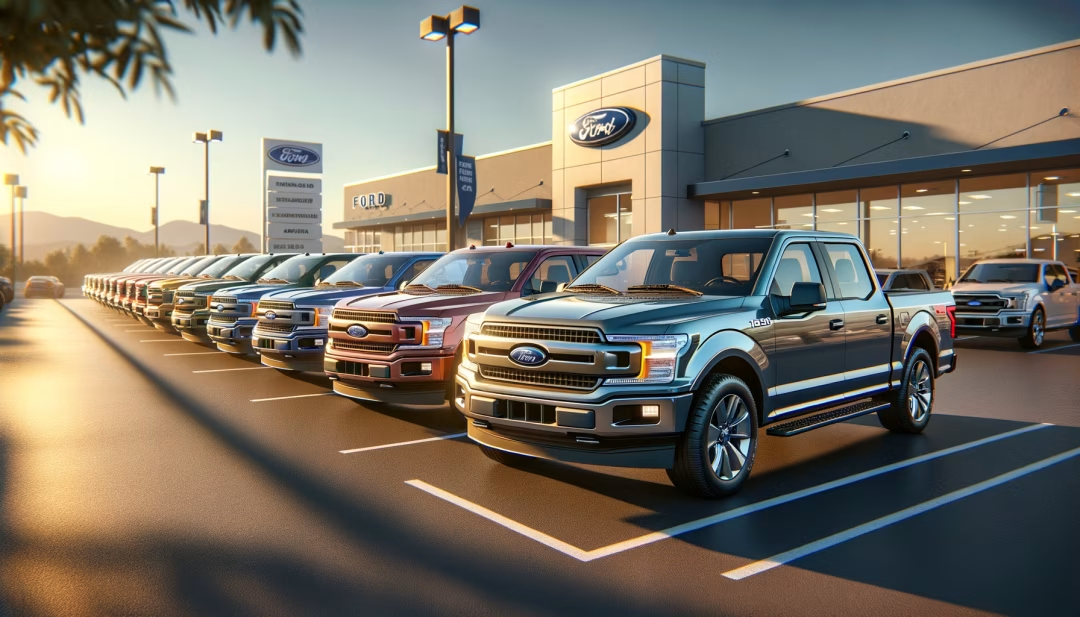
Best Used Ford F-150 Years at a Glance
The F-150 has led the full size truck segment for decades, but some years stand out for durability, smart powertrains, and lower ownership costs. Based on reliability data, powertrain updates, and real world service experience, the most consistently strong used Ford F-150 years to target include 2012, 2014, 2015, 2018, 2019, and 2020. These years blend dependable engines and transmissions with improved safety, tech, and towing capability. If you need a budget friendly work truck, consider 2011 to 2014. If you want modern tech and an aluminum body that resists rust, 2015 to 2020 is an excellent sweet spot.
Top Model Years and Why They Shine
2012 and 2014: Late in the 2009 to 2014 generation, Ford refined the platform and addressed early issues. The 5.0 V8 and the updated 3.5 EcoBoost are proven, with strong towing and broad parts availability. 2014 models often include better infotainment and safety features than earlier years in this generation.
2015: First year of the aluminum intensive body, which resists corrosion and helps fuel economy. The 2.7 EcoBoost and 5.0 V8 are excellent choices. Many shoppers appreciate the weight savings and modern interior relative to older trucks.
2018 to 2020: Mid cycle refresh brings revised 5.0 V8 with direct injection, improved 2.7 and 3.5 EcoBoost engines, available 10 speed automatic, new driver assistance features, and upgraded infotainment. These years balance technology and value, making them top picks for a daily driver that can still tow.
Engines to Target
- 5.0 V8 Reliable, great sound, strong towing, simpler maintenance than turbo options in many cases.
- 2.7 EcoBoost V6 Excellent blend of power and efficiency, especially from 2015 onward.
- 3.5 EcoBoost V6 Best for heavy towing when maintained, improved reliability after 2012 and again for 2017 plus with dual injection.
- 3.3 V6 A solid base engine for light duty use, often found in fleet or budget builds from 2018 plus.
Trims and Features Worth Seeking
For daily comfort, the XLT and Lariat trims strike a good balance of value and features. Look for packages that add tow mirrors, integrated trailer brake controller, and a locking rear differential. In 2018 plus trucks, consider driver assistance features such as blind spot monitoring and adaptive cruise for highway comfort. Many buyers prefer the SuperCrew cab for rear seat space, while the SuperCab offers versatility without the full length footprint.
Towing and Payload Guidance
The right configuration matters more than a single headline rating. A 3.5 EcoBoost with Max Tow Package can exceed 12,000 pounds when properly equipped, while a 2.7 EcoBoost or 5.0 V8 handles mid weight trailers confidently. Check the door jamb payload sticker, axle ratio, and package codes to match your needs. If regular towing is part of your plan, prioritize trucks with integrated trailer brake controller, trailer sway control, upgraded cooling, and hitch receiver already installed.
Common Issues to Check by Era
2009 to 2014: Inspect timing chain noise on early 3.5 EcoBoost, intercooler condensation concerns, and cam phaser issues on some engines. Look for updated parts or service records. Many 2012 to 2014 trucks have the improved hardware, making them better bets.
2015 to 2017: Aluminum body resists rust, but verify panel repairs were performed to Ford specs. Look for door latch recalls addressed, and inspect the 10 speed transmission shift quality on 2017 models where equipped.
2018 to 2020: Generally strong reliability. On high mileage trucks, listen for timing chain noise on the 3.5 EcoBoost and confirm fluid service intervals. Ensure all software updates and recalls have been performed.
Mileage and Longevity
Well maintained F-150s routinely surpass 200,000 miles. Focus on service evidence rather than mileage alone. A 140,000 mile truck with regular oil changes, transmission service, differential service, and timely spark plug replacement is often a better buy than a lower mileage truck with gaps in care. If you plan to keep the truck long term, budget for fresh fluids, belts, hoses, and condition based items after purchase.
Safety and Technology
Ford steadily improved safety across these years. By 2015, the F-150 gained a lighter, stronger body structure that performed well in crash tests. In 2018 plus trucks, driver aids like pre collision assist, lane keeping, and blind spot monitoring are available. For infotainment, SYNC 3 with Apple CarPlay and Android Auto begins appearing widely in 2017 to 2018, and is worth prioritizing for usability and long term support.
Budget Planning and Total Cost of Ownership
The F-150 holds value well, but you can still find strong buys. Compare several model years and powertrains to balance price and capability. Insurance rates, fuel type, tire size, and tow packages all affect ongoing costs. The 2.7 EcoBoost can lower fuel spend, while the 5.0 V8 offers predictable maintenance. Extended service contracts make sense for high tech models if priced fairly and backed by reputable administrators. For more ownership insights, explore used cars with lowest cost of ownership and used cars with best resale value on our research pages.
Pre Purchase Checklist
- Road test cold and warm, check transmission shifts, turbo boost response, and steering feel.
- Scan for codes, confirm all recalls and software updates have been completed.
- Inspect timing chain noise on idle start, especially on turbo V6 engines with high mileage.
- Check frame, suspension bushings, brake rotor condition, and tire wear patterns.
- Verify towing equipment, axle ratio, and payload sticker match your use case.
- Review service records and confirm regular oil, coolant, transmission, and differential service.
Which Generation Fits Your Needs
2009 to 2014: Steel body, traditional truck feel, lower entry price. Best picks are 2012 and 2014 with the 5.0 V8 or the updated 3.5 EcoBoost. Ideal for buyers who want a durable work truck with straightforward tech.
2015 to 2017: Aluminum body, weight savings, improved efficiency. Target 2015 for value or 2017 for available 10 speed auto with select engines.
2018 to 2020: Refined drivetrains, SYNC 3 widespread, advanced safety available. These years feel modern without current generation pricing. A great sweet spot for families, commuters, and small business owners.
Winter and Work Readiness
For snow belt states, seek 4x4 with all terrain tires, remote start, heated mirrors, and block heater where available. The electronic locking rear differential is valuable for traction on job sites and unpaved roads. Consider the FX4 Off Road Package for skid plates and tuned shocks if you regularly encounter rough terrain. For heavy hauling, ensure the truck includes the Trailer Tow or Max Tow Package and consider upgrading to load range E tires when appropriate.
Helpful Research and Tools
Continue your search with these resources, model comparisons, and ownership guides across our site.
EcoBoost vs V8: Which Is Right For You
Choose based on use. If you tow frequently and want strong torque at low rpm with good highway efficiency, the 3.5 EcoBoost excels, provided you maintain it with quality oil and timely spark plugs. If you prefer a simpler layout with a classic truck feel and predictable service costs, the 5.0 V8 is a favorite. The 2.7 EcoBoost is an outstanding daily driver choice, providing quick response and good real world fuel economy in mixed driving. Consider your typical load, terrain, and maintenance plan to make the best choice.
Verification Steps That Protect Your Purchase
- Confirm VIN history and title status, then match options on the window sticker or build sheet.
- Ask for cold start video or perform a cold start on site to listen for chain or lifter noise.
- Evaluate fluid condition and note any aftermarket tuning that could affect warranty or longevity.
- Measure brake rotor thickness and inspect for rust behind the backing plates and along frame welds.
Alternative Trucks To Cross Shop
Comparing the F-150 to its rivals can sharpen your decision. If you want a GM alternative, Chevrolet Silverado 1500 models from similar years offer competitive towing and a smooth ride. For more truck shopping ideas and comparables, visit best used chevy silverado years and best selling used trucks. You can also browse best used trucks for work if heavy duty job sites are part of your routine.
Ownership Tips After You Buy
Set a baseline with fresh engine oil and filter, engine air filter, cabin air filter, brake fluid, and differential fluid. For turbo engines, adhere strictly to oil change intervals and use high quality fuel and oil. Rotate tires every 5,000 to 7,500 miles and align annually if you tow or drive on rough roads. Keep a spare key, maintain software updates, and address minor leaks or noises early to protect resale value. For a longer view of expenses and service planning, visit used car ownership cost analysis and used vehicles with best warranty coverage.
Frequently Asked Questions
More Pages You May Find Helpful
Office Hours
Monday
Tuesday
Wednesday
Thursday
Friday
Saturday
9:00 am - 5:00 pm
9:00 am - 5:00 pm
9:00 am - 5:00 pm
9:00 am - 5:00 pm
9:00 am - 5:00 pm
Closed
