
Guide and Top Picks
Best Used Off-Road Trucks Guide and Top Picks
Shopping for the best used off-road trucks should feel exciting, not overwhelming. This page is your shortcut to smarter choices, with expert tips on features that matter off pavement, common problem spots to check, budget friendly model recommendations, and real world ownership insights. Whether you are eyeing a midsize crawler for tight trails or a full size rig for overland travel, we break down suspension, tires, gearing, 4x4 systems, and recovery essentials in plain language.
Browse current availability in used-inventory, compare options with research-page-template, and explore value boosting upgrades that do not compromise reliability. We also link to guidance on inspections, vehicle history, and financing, so you can move from research to test drive with confidence. Ready to zero in on proven performers like Tacoma TRD Off Road, Colorado ZR2, F 150 FX4 or Raptor, Gladiator Rubicon, and Ram Rebel At this is your roadmap to the right truck for your terrain and budget.
Finding the right off-road truck starts with clarity. Use our checklists and model year notes to spot solid frames, healthy drivetrains, and smart upgrades. Compare trims and gear packages, then line up a no pressure test drive and inspection using schedule-a-test-drive and used-car-inspection-checklist. Estimate numbers with value-my-trade and payment-options, and see where to visit in locations. For more deep dives, browse blog and research-page-template.
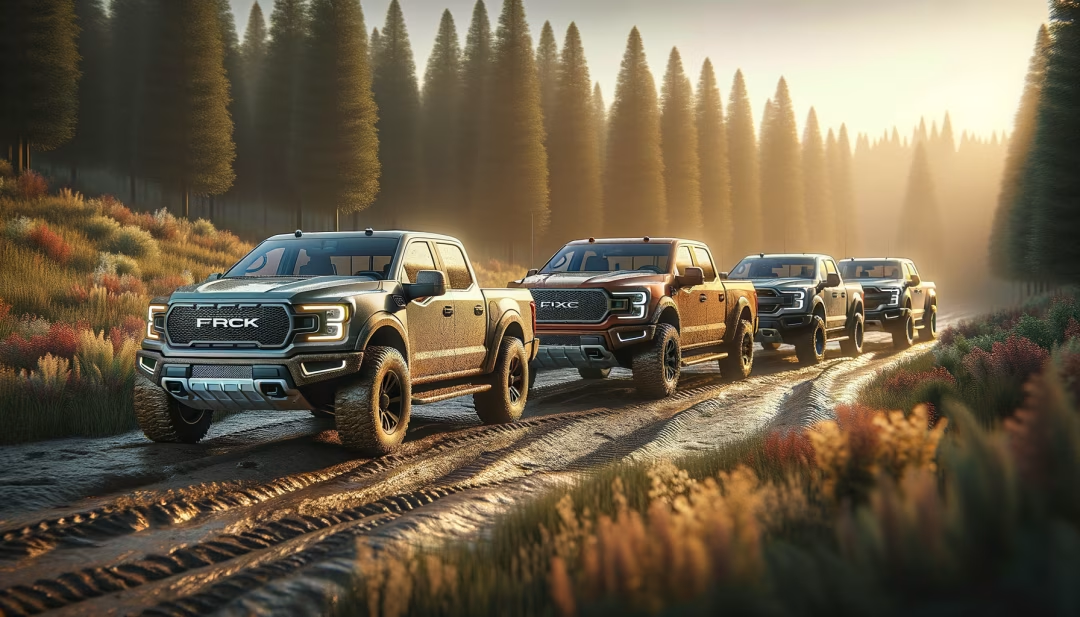
What Makes the Best Used Off-Road Trucks
True trail capability is more than big tires. The best used off-road trucks combine durable frames, smart traction systems, protective hardware, and gearing that delivers control at low speeds. Look for a factory off-road package when possible; these trims typically add tuned shocks, all terrain tires, skid plates, a locking differential, recovery points, and optimized drive modes. Aftermarket upgrades can be excellent, but stock packages often strike the best balance of performance and reliability for daily driving.
Key Features Checklist Before You Buy
- 4x4 system with low range transfer case and a working rear locker or limited slip; front locker is a plus on certain models.
- Sufficient ground clearance and approach, departure, and breakover angles for your local trails and obstacles.
- All terrain tires with adequate tread depth and recent date codes; avoid uneven wear that signals alignment or suspension issues.
- Skid plates protecting the front, transfer case, and fuel tank; rock rails or sliders for body side protection are a plus.
- Recovery rated tow hooks or shackles front and rear; a hitch receiver is useful for recovery gear mounts.
- Suspension in good condition with no leaking shocks, bent control arms, or cracked bushings; verify lift kit brand and install quality.
Top Used Off-Road Truck Picks by Size
Midsize trucks offer great trail maneuverability and lower running costs, while full size trucks bring more power, space, and towing. Heavy duty platforms can work for rugged overland builds but may be wider and heavier on tight trails. Consider where you drive most and how often you tow, camp, or daily commute.
Midsize Favorites
- Toyota Tacoma TRD Off Road or TRD Pro. Known for durability. Look for model years with updated transmissions and crawl control. Pair with used-cars-known-for-durability and most-reliable-used-toyota-models.
- Chevrolet Colorado Z71 and ZR2. ZR2 adds DSSV dampers, lockers, and improved clearance. Inspect for underbody scrapes and diff leaks.
- Jeep Gladiator Rubicon. Solid axles, lockers, and disconnecting sway bar. Check for lift quality and steering wear.
- Ford Ranger FX4 or Tremor. Advanced traction modes and off-road tuned suspension; verify 4x4 engagement and transfer case service.
Full Size Standouts
- Ford F 150 Raptor and FX4. Raptor is high speed desert capable; inspect for shock service history. FX4 offers a great value off-road pack for mixed use.
- Ram 1500 Rebel. Aggressive tires, lift, and Bilstein shocks on many years. Listen for Hemi tick and verify maintenance.
- Chevy Silverado Trail Boss or Z71. Factory lift and tires; check for transfer case fluid changes and front diff seepage.
- Toyota Tundra TRD Off Road. Strong V8 reliability; look for frame rust mitigation in rust belt regions.
Smart Budgets and Model Years
If you are targeting affordability, start with trims that bundle factory gear. Packages like TRD Off Road, Z71, FX4, or Rebel deliver capability without the unknowns of extreme aftermarket builds. For price focused shopping, see best-used-trucks-under-20000 and used-trucks-with-best-fuel-economy, then compare insurance and ownership costs using used-cars-with-lowest-cost-of-ownership.
How to Inspect a Used Off-Road Truck
Trail use leaves clues. A careful inspection reduces surprises and helps you negotiate fairly. Use our used-car-inspection-checklist alongside this quick guide.
- Underbody: Look for fresh scrapes on skid plates and crossmembers. Some wear is normal; deep gouges on frame or diffs are red flags.
- Suspension: Check for leaking shocks, uneven ride height, and loose bushings. Confirm brands and lift heights on modified trucks.
- Tires and alignment: Uneven wear suggests bent components or poor alignment after lift installs. Verify tire date codes for age.
- Drivetrain: Engage 4H and 4L on a safe surface. Listen for clunks in hubs, u joints, or transfer case. Inspect diffs for leaks.
- Frame and rust: Tap test for soft spots and inspect welds. Surface rust can be treated; structural corrosion is costly.
- Electrical and accessories: Test lockers, hill descent, off-road modes, winch operation, and light bars for wiring quality and fusing.
Always verify history and ownership with how-to-check-used-car-history and used-car-vin-check-guide. For warranty details, see used-car-warranty-guide and extended-warranty-for-used-cars.
Midsize vs Full Size vs Heavy Duty
Midsize trucks shine on technical trails and city parking. They are easier to place on tight switchbacks and usually cost less to maintain. Full size trucks add comfort, cab space, and stronger drivetrains for towing and family travel. They are wider, which can limit certain trails, but they excel at overlanding with rooftop tents and gear. Heavy duty platforms bring diesel options and payload, ideal for long range expeditions and large campers, but their extra weight can reduce performance in mud or sand and amplify trail damage if not driven carefully. To compare capability for towing campers or boats, see best-used-trucks-with-best-towing-capacity, best-used-vehicles-for-towing, and best-used-vehicles-for-boat-towing.
Off-Road Upgrades That Add Value
- Quality suspension kits from known brands installed with proper alignment and caster settings.
- Skid plates, rock sliders, and steel bumpers with recovery points and winch mounts.
- All terrain or mud terrain tires in appropriate sizes that do not overload steering or gearing.
- Lockers or limited slip differentials for traction when one tire lifts or surfaces get slick.
Extremely tall lifts, cut frames, or poorly wired accessories can hurt reliability and resale. If a truck is heavily modified, ask for receipts, alignment sheets, and tune details, then plan a thorough road test.
Fuel Economy, Range, and Daily Comfort
Off-road rubber and armor add weight and rolling resistance, which can reduce fuel economy. If you commute daily, consider mild all terrain tires, a conservative lift, and an aerodynamic bed cover. For data driven options, review used-trucks-with-best-fuel-economy and used-suvs-with-best-fuel-economy if an SUV alternative might fit your lifestyle.
Ownership Costs and Financing
Plan beyond the purchase price. Budget for fresh tires, alignment, fluids, and potentially a differential or transfer case service right after purchase. For numbers, use value-my-trade to estimate your current vehicle and payment-options to explore terms that fit your budget. If you are navigating credit, see can-you-finance-a-used-car-with-bad-credit and how-to-get-approved-for-a-used-car-loan.
Trail Use by Region
Your terrain should guide your build. In snowy or muddy climates, a selectable rear locker, recovery boards, and rated tow points are essential. For desert running, heat management, high speed damping, and stronger tie rods pay dividends. In rocky regions, prioritize armor and crawl control features. For seasonal prep and maintenance, schedule-service and browse blog for how tos.
Related Guides and Inventory
Best Used Off-Road Trucks FAQs
About Our Resources
We build every guide to help drivers choose with confidence. When you want to go deeper, explore blog for trends and ownership tips, about-us for our process, and visitor-agreement, terms, and privacy-policy for policy details. When you are ready to see options in person, use locations to find the nearest store and schedule-a-test-drive to reserve time behind the wheel.
Office Hours
Monday
Tuesday
Wednesday
Thursday
Friday
Saturday
9:00 am - 5:00 pm
9:00 am - 5:00 pm
9:00 am - 5:00 pm
9:00 am - 5:00 pm
9:00 am - 5:00 pm
Closed
