
For Value, Reliability, And Modern Features
Shopping for the best 3-year-old used cars is a smart way to get near-new quality, advanced safety tech, and strong reliability without the new car price. At around three years, many models have already absorbed their steepest depreciation, which means you can often find higher trims, more features, and lower miles that fit your budget. Many vehicles from this age range still have factory warranty coverage or qualify for extended protection, offering added confidence for daily driving, family trips, and commuting. Whether you want a fuel-efficient compact, a family-ready SUV, or a work-capable truck, three-year-old options typically deliver updated infotainment, driver assistance features, and better fuel economy. Explore our inventory to compare models, review history reports, and match features to your lifestyle. With thoughtful research and a thorough inspection, a 3-year-old car can offer long-term value, comfort, and peace of mind.
Three-year-old vehicles often balance price, condition, and features better than most age groups. You get modern safety tech and connectivity, established reliability data, and a slower depreciation curve. Use our guides to compare body styles and brands, review ownership costs, and understand financing options so you can choose the right model with confidence and clarity.
Why 3-Year-Old Used Cars Hit the Sweet Spot
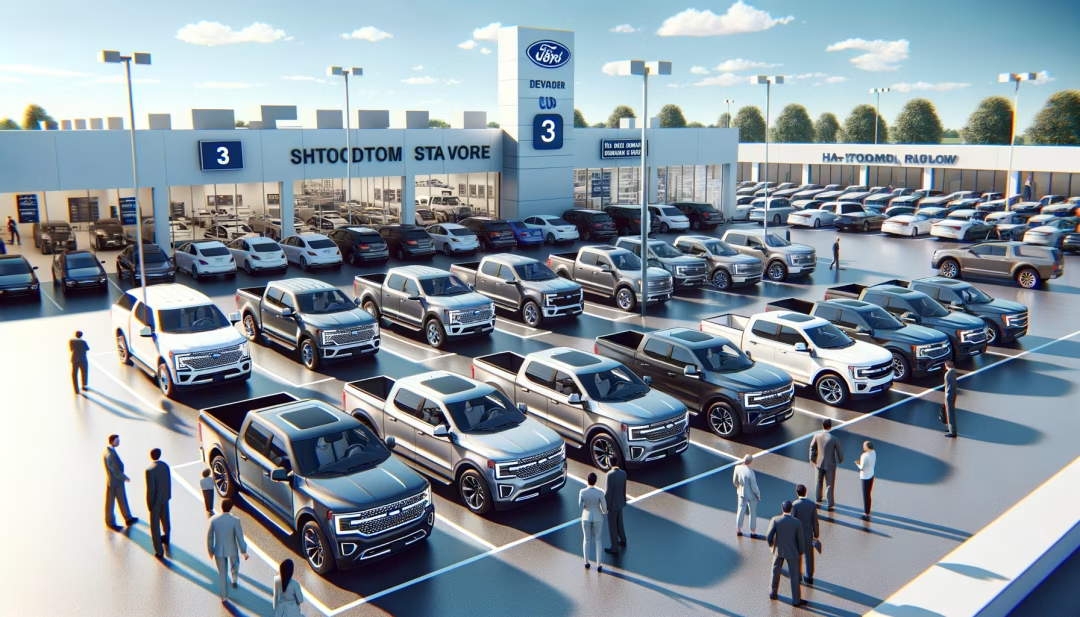
At roughly three years old, many vehicles combine modern safety and infotainment with meaningful savings compared to new models. Depreciation typically slows after the first few years, so your dollar stretches further and future resale can be more predictable. Many 3-year-old cars also align with common lease returns, which often means well-documented service histories, lower miles, and consistent maintenance. You are also more likely to find popular features like Apple CarPlay, Android Auto, advanced driver assistance systems, heated seats, and efficient powertrains without stretching your budget.
Key Advantages You Can Expect
- Slower depreciation after the initial drop helps preserve value and reduce total cost of ownership.
- More modern safety and tech features than older used vehicles, often including blind spot monitoring and adaptive cruise control.
- Remaining factory warranty or eligibility for extended coverage for added peace of mind.
- Better selection of trims and options from recent model refreshes and mid-cycle updates.
Popular 3-Year-Old Picks by Vehicle Type
Your best 3-year-old used car depends on how you drive and what you value. Below are strong categories to consider, plus deeper research you can explore on our site.
- Sedans: Balanced comfort, great fuel economy, and often lower prices than SUVs. Compare options on Best Used Sedans and see ownership costs on Used Cars With Lowest Cost Of Ownership.
- Compact and midsize SUVs: Flexible space, strong safety ratings, and family-friendly features. Start with Best Used SUVs, Best Used Midsize SUVs, and Best Used Crossover SUVs.
- Trucks: Capability for work and play with modern towing tech. Explore Best Used Trucks, Best Used Vehicles For Towing, and Best Used Trucks For Work.
- Hybrids and EVs: Lower fuel costs and reduced emissions with newer battery tech. Check Best Used Hybrid Cars and Best Used Electric Vehicles.
- Family cars: Safety, space, and reliability for daily life. See Best Used Family Cars and Best Used 3 Row SUVs.
- Commuter picks: Efficiency and comfort for long drives. Compare Best Used Commuter Cars and Used Cars With High MPG.
How To Evaluate a 3-Year-Old Used Car
A careful inspection strategy helps you select the right vehicle the first time. Combine in-person checks with data from history reports and service records to build confidence.
- Research reliability: Read guides like Most Reliable Used Cars, Most Reliable Used SUVs, and Most Reliable Used Trucks.
- Check recalls and crash tests: Start with Used Cars With Best Crash Test Ratings and Used Vehicles With Lowest Recall Rates.
- Inspect condition: Use our Used Car Inspection Checklist and Used Car Buying Checklist.
- Verify history: Review How To Check Used Car History and Used Car VIN Check Guide.
- Drive and compare: Reference What To Look For When Buying A Used Car and book your visit via Schedule A Test Drive.
Ownership Costs And Budget Planning
Three-year-old vehicles can significantly reduce your total cost of ownership. You typically benefit from lower depreciation and better fuel economy than older cars, while insurance rates can be more favorable than those for brand new models. Consider the full picture: purchase price, taxes, registration, insurance, fuel, routine maintenance, and potential repairs. Look at long term trends with resources like Used Cars With Lowest Cost Of Ownership and Used Cars With Best Resale Value.
If you are financing, compare terms and understand how your credit profile may influence your rate. Learn more at How Does Used Car Financing Work, Used Car Loan Interest Rates, How Much Down Payment For Used Car, and view Payment Options. If you are building credit, see Can You Finance A Used Car With Bad Credit and How To Get Approved For A Used Car Loan.
Certified Pre-Owned vs Standard Used
Many three-year-old cars qualify for certified pre-owned programs. CPO vehicles typically include a detailed inspection and extended coverage from the manufacturer, which can increase confidence and simplify maintenance planning. Standard used vehicles can cost less upfront and may still provide strong value with a clean history and documented service. Compare your options at Certified Pre Owned Vs Used and review coverage choices in the Used Car Warranty Guide and Extended Warranty For Used Cars.
Feature Checklist For 3-Year-Old Models
Look for technology that supports safety, comfort, and daily convenience. Many 3-year-old vehicles include features that improve long term satisfaction and resale appeal.
- Driver assistance: adaptive cruise control, lane keeping assist, blind spot monitoring, rear cross traffic alert.
- Connectivity: Apple CarPlay and Android Auto. See Best Used Cars With Apple CarPlay and Best Used Cars With Android Auto.
- Comfort: heated seats, dual zone climate, supportive seating for long commutes.
- Practicality: larger trunk space or split folding seats. Explore Best Used Cars With Large Trunk Space.
- Efficiency: hybrid or efficient gas engines for budget minded drivers. Review Best Used Cars With Good Gas Mileage.
Finding The Right Fit In Our Inventory
Browse options tailored to your budget and preferences in our Used Inventory. If you want to see recent arrivals, check Sold Inventory to learn what moves quickly. Planning to swap keys from your current ride can streamline your budget. Get an estimate using Value My Trade. When you are ready to explore in person, view our Locations and book time through Schedule A Test Drive.
Test Drive And Inspection Tips
A good test drive goes beyond a quick loop around the block. Test cold start behavior, braking feel, tire and brake wear, highway tracking, cabin noise, and infotainment responsiveness. Verify that driver assistance systems operate correctly and that cameras and sensors are clear and calibrated. Review fluid condition and service records. If available, request a pre purchase inspection from a trusted technician. For step by step support, visit Used Car Inspection Checklist and How To Avoid Buying A Bad Used Car.
Seasonal And Market Considerations
Supply and pricing can shift with seasonality and broader market trends. End of model year periods may produce more lease returns. Trucks and SUVs can see demand changes based on weather and fuel prices. Stay informed with Used Car Market Trends, Used Car Price Trends, and When Is The Best Time To Buy A Used Car. For winter climates, compare Best Used Vehicles For Winter Driving, Best Used Cars For Snow, and Best Used AWD Vehicles.
3-Year-Old vs 5-Year-Old: Which Is Better For You
Five-year-old vehicles can cost less upfront but may have higher mileage and shorter remaining warranty coverage than 3-year-old options. If you value cutting edge safety features and plan to keep the car long term, three-year-old models can deliver a better tech and condition balance. If price is the top priority and you are comfortable with slightly older tech, consider comparing this page with Best 5 Year Old Used Cars to decide which trade offs fit your goals.
Helpful Research And Next Steps
Use these resources to refine your shortlist, understand financing, and prepare for a smooth purchase process.
- Guides: How To Buy A Used Car, How To Finance A Used Car, How To Negotiate A Used Car Price
- Financing tools: Applications, Payment Options
- Ownership and service: Schedule Service, Used Car Warranty Guide, Used Car Gap Insurance Explained
- About us and support: Home, About Us, Contact Us, Meet Our Staff, Blog
- Policies: Privacy Policy, Terms, Visitor Agreement
Frequently Asked Questions About 3-Year-Old Used Cars
Explore More Topics
Continue your research with featured pages such as Best Used Cars With Low Maintenance Costs, Used Cars With Longest Lifespan, Used Cars With Low Mileage Value, and How To Value A Used Car. For brand focused insights, visit Most Reliable Used Toyota Models, Most Reliable Used Honda Models, and Most Reliable Used Ford Models. When you are ready to talk details or plan a visit, head to Contact Us and Locations.
Office Hours
Monday
Tuesday
Wednesday
Thursday
Friday
Saturday
9:00 am - 5:00 pm
9:00 am - 5:00 pm
9:00 am - 5:00 pm
9:00 am - 5:00 pm
9:00 am - 5:00 pm
Closed
